

On a drizzly Tuesday in Bath, a woman in old blue jeans tried on a camel coat and suddenly stood differently. Not grandly, just more like herself, as though she'd found the sort of companion who remembers your best manners and your muddy shortcuts.
The Search for a Lifelong Wardrobe Companion
Some clothes arrive with a flourish. A sequinned party dress announces itself from across the room. Scarlet shoes tap their own little drumroll. A camel coat does something quieter. It enters your life like a capable friend who appears at the station with a thermos, an umbrella, and exactly the right kind of reassurance.
That's part of its appeal. When people talk about camel coloured coats, they often mean more than a shade. They mean a feeling of composure. The name itself comes from the historic link to camel fur, though modern versions are usually made from wool or cashmere, and the colour's standing as an indispensable outer layer was reinforced on Autumn 2025 runways and throughout London street style, where its easy pairing with every single colour was on full display in this Who What Wear UK report on camel coats.
The coat that joins in with your life
Think of the woman looking for one coat that can do more than one job. She wants something for a misty dog walk along a hedgerow path, but also for dinner in town when the candles are low and the plates are warm. She wants polish without stiffness. Warmth without heaviness of mood. Personality without noise.
Camel answers that brief beautifully.
It sidesteps the office-uniform certainty of navy and grey. It also avoids the country-set associations that some richer browns and greens can carry. Instead, it sits in that rare middle ground. Refined, light-handed, grown-up, but never stern.
A good camel coat doesn't overpower the rest of your wardrobe. It makes everything else look more intentional.
Why it becomes a foundation piece
If you've ever opened your wardrobe and felt that familiar little sigh, too many pieces, not enough outfits, a camel coat often solves the problem faster than most purchases ever do.
It works with:
- Black knitwear for sharp contrast and city ease
- Navy tailoring when you want softness rather than severity
- Cream denim or white cotton for an airy, expensive-looking pairing
- Floral dresses that need a calm outer layer rather than a competing one
That breadth is why a camel coat often becomes less of a seasonal whim and more of a chapter marker. It's the coat you wear to job interviews, gallery afternoons, winter lunches, train-platform reunions, and ordinary supermarket runs that somehow feel a little more cinematic.
Some garments flatter an outfit. This one often flatters a whole rhythm of living.
Understanding the Enduring Charm of the Camel Hue
Camel is one of those colours that behaves almost like weathered stone, oat milk, biscuit glaze, or the soft side of a stable blanket drying by a cottage radiator. It has warmth in it, but not fuss. It feels settled.
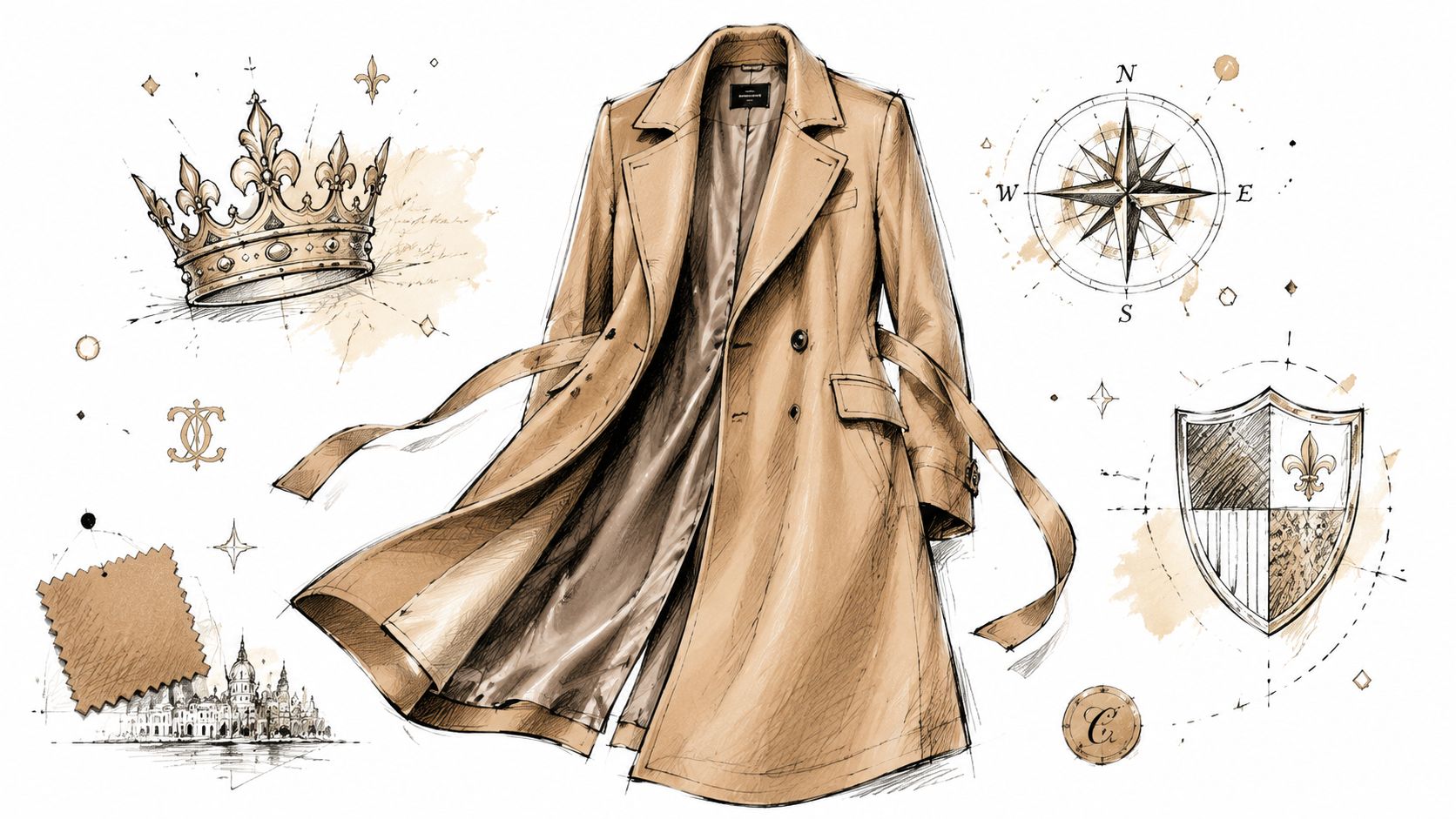
That's why the hue lasts. It doesn't beg for attention, yet it rarely disappears. In a sea of hard black and dutiful charcoal, camel can feel like a warm cup of tea on a crisp morning. It softens a silhouette and, with it, the mood of the whole outfit.
What the colour says without speaking
Every neutral carries a little social language. Black can read decisive. Grey often feels metropolitan and practical. Navy is trustworthy, but sometimes formal by default. Camel says something gentler.
It suggests:
- Approachability. You look polished, but not forbidding.
- Ease. The outfit seems considered, even if getting dressed took five minutes.
- Taste with restraint. The coat is beautiful, but it isn't trying to win the room.
This is why a camel coat often suits women who want their clothes to support them rather than perform for them. It doesn't steal the scene. It edits it.
Camel as a canvas
The loveliest thing about camel may be its generosity. It gives colour around it a clearer voice. A cornflower blue shirt looks fresher beside it. A berry lip feels richer. Indigo denim becomes more elegant. Even a plain white T-shirt and trainers can feel composed when framed by a camel coat.
A short comparison makes that easier to see:
| Pairing | Effect |
|---|---|
| Camel with black | Crisp, modern, lightly dramatic |
| Camel with cream | Soft, tonal, quietly luxurious |
| Camel with denim | Relaxed and dependable |
| Camel with prints | Grounded, so the print feels intentional |
Why it becomes memorable
There's a difference between a trend colour and a personal signature. Trend colours often feel exciting in isolation but difficult in company. Camel thrives in company.
Practical rule: If a colour helps your oldest favourites and your newest finds get along, it's worth taking seriously.
That's why women return to camel again and again. It doesn't only look elegant on a hanger. It makes life easier in the half-awake moments of dressing. It can be whimsical with a ribboned blouse, spare with a fine roll neck, or romantic over a floral frock. It's adaptable without becoming anonymous.
If colour can have manners, camel has very good ones.
Choosing Your Coat's Character Through Fabric
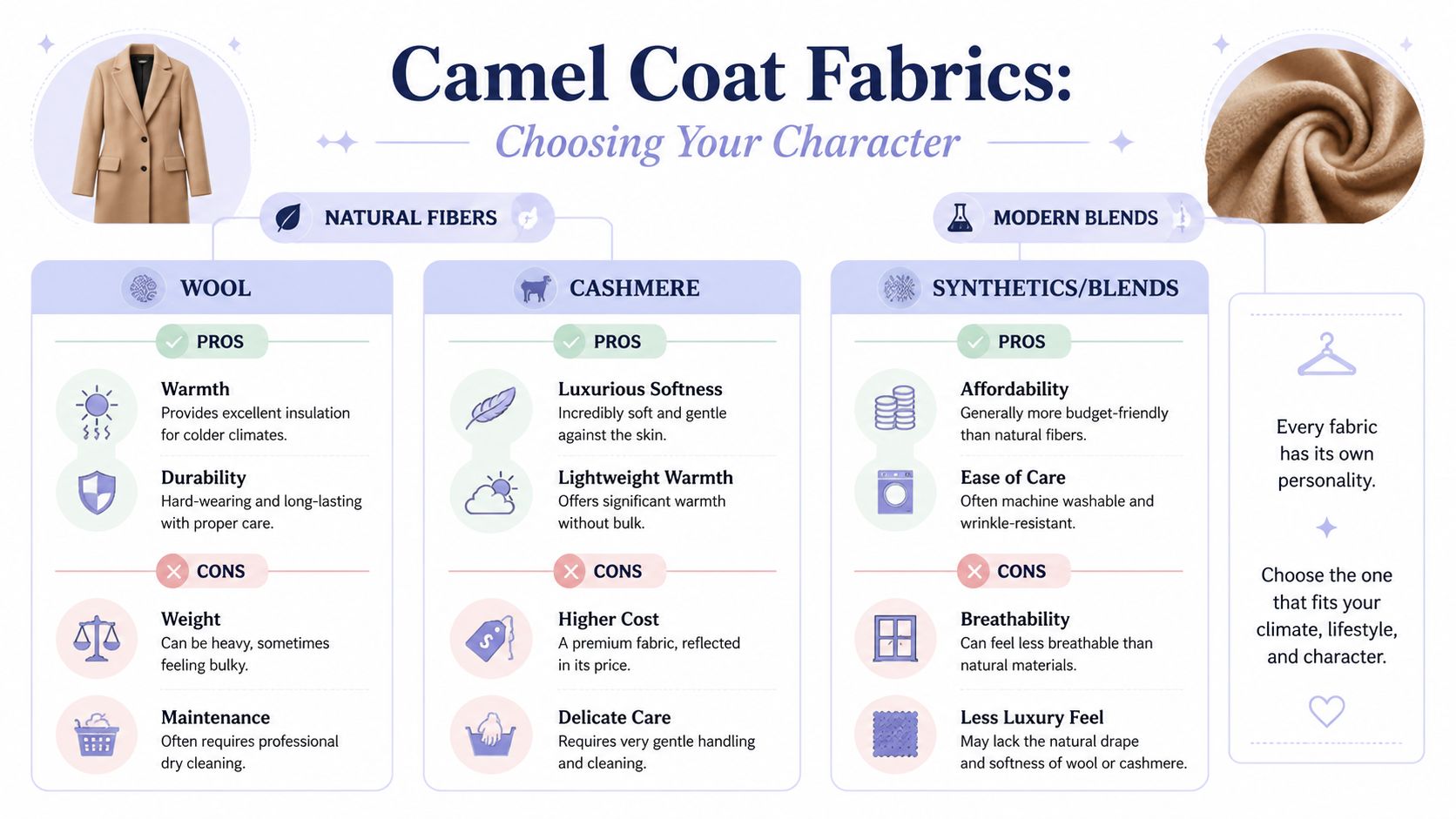
A camel hue may write the first line of the story, but the fabric decides the tone of voice. The same colour can feel brisk, cloud-soft, sculptural, or rustic depending on what it's made from. When you're choosing a coat to keep for years, this matters more than many people realise.
Wool, cashmere, and blends at a glance
A traditional wool coat is the sensible heroine of the wardrobe. It has backbone. It holds shape well, stands up to regular wear, and gives that reassuringly proper coat feeling when the wind turns sharp.
Cashmere tells a different tale. It feels lighter, softer, and more hushed against the skin. A cashmere-rich camel coat has an almost glowing surface, the sort that makes you instinctively stroke the sleeve while waiting at a crossing.
Blends can be useful too. They often lower maintenance demands and can make a coat more accessible for everyday use, especially if your week includes commuting, travel, and carrying too many tote bags.
Here's the emotional shorthand many shoppers use without saying it aloud:
- Wool suits the woman who wants reliability, shape, and honest warmth.
- Cashmere suits the woman who wants elegance that feels feathered rather than firm.
- Synthetic-heavy blends suit the woman who prioritises convenience, though they may not offer the same drape or tactile pleasure.
Where alpaca changes the conversation
British alpaca deserves its own spotlight. It brings softness and warmth, but it also speaks to a different kind of value system. If you care about where a garment comes from, how long it will live in your wardrobe, and what sort of local economy it supports, alpaca becomes especially compelling.
According to this overview of UK alpaca clothing and sustainability, alpaca clothing produced in the UK can reduce emissions by up to 35% compared with imported wool, and the global alpaca apparel market is projected to reach USD 1.51 billion by 2034, with the UK accounting for approximately 7% of that share. Those figures give useful shape to what many shoppers already feel intuitively. Local, thoughtfully made natural fibres can align beauty with responsibility.
Choose the fabric the way you'd choose a travelling companion. Ask not only how it looks on day one, but how it behaves when the weather turns, your schedule crowds, and the years begin to pass.
A fabric comparison that feels human
A coat isn't just insulation. It's touch, movement, memory, maintenance, and mood. Such considerations clarify many shopping decisions.
| Fabric | What it feels like in daily life | Best for |
|---|---|---|
| Wool | Structured, dependable, classic | Frequent wear and colder days |
| Cashmere | Soft, light, luxurious | Dressier wardrobes and gentle handling |
| Alpaca | Warm, tactile, distinctive, conscious | Shoppers who want natural luxury with a local story |
| Synthetics or blends | Practical, low-fuss, varied in finish | Convenience-first dressing |
Questions worth asking before you buy
Rather than asking only “Is this flattering?”, ask a few sturdier questions:
- Will I enjoy wearing this in ordinary weather? A coat shouldn't only shine on perfect days.
- Does the surface invite touch? Texture matters because you'll notice it every single time you put it on.
- Can I support the care it needs? A delicate coat is only a wise purchase if your habits suit it.
- Does the fabric match my values? For many women, that now includes provenance and environmental impact.
The right fabric makes a camel coat feel less like a trend purchase and more like a small act of alignment. Warmth, comfort, aesthetics, conscience. All walking in step.
Finding a Silhouette That Tells Your Story
Most fit advice gets bossy very quickly. It starts assigning coats to “body types” as though getting dressed were a medical chart. A far kinder way to choose is to ask what sort of presence you want your coat to have when you walk into your day.
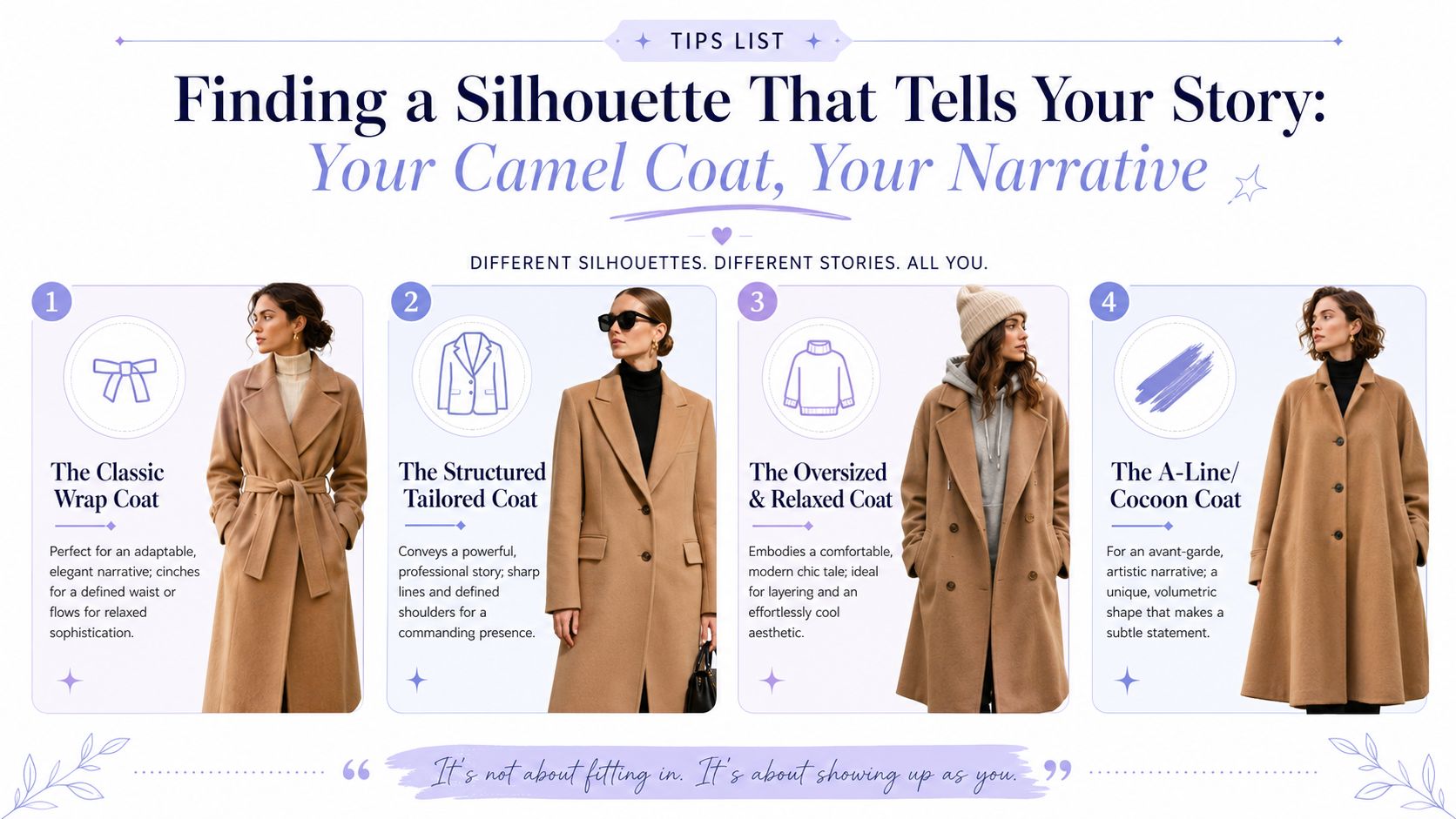
A silhouette doesn't just shape the body. It shapes the story.
Four silhouettes, four moods
The wrap coat is the diplomat. It ties, loosens, adapts. On Monday it can feel graceful over well-cut trousers. On Sunday it relaxes over a jumper and soft socks for a village lunch. If you like elegance that never feels over-rehearsed, this is often your coat.
The structured, well-defined coat is clearer in its intention. Shoulders are more defined, lines are neater, and the whole piece says you like order, even if your handbag is full of receipts and a rogue boiled sweet. It's brilliant for women who want a coat that can bring shape to fluid dresses or sharpen simple knitwear.
The oversized relaxed coat has a different charm. It suggests confidence without stiffness. You're not trying to prove anything. You just know how to layer a good jumper, leave your cuffs showing, and let proportion do the styling for you.
Then there's the cocoon or A-line coat, a little more poetic and a little less expected. It moves beautifully. It feels artistic rather than severe. If you love unusual earrings, sculptural handbags, or a touch of drama in an otherwise quiet wardrobe, this shape often fits naturally.
How to choose without overthinking
Try this small fitting ritual in the mirror:
- Walk first: Don't just stand there. Move, turn, sit down if you can.
- Check your shoulders: If the shoulder line feels wrong, the rest rarely settles.
- Notice the front when open: Many coats are worn unbuttoned most of the time.
- Test your real layers: A fine blouse and a chunky knit create very different fits.
For more coat-shape inspiration, the piece on ladies mac coats is useful if you're weighing traditional lines against softer, more contemporary ones.
Let the coat support your habits
The best silhouette often reveals itself through routine.
If you spend your life dashing between train platforms, school gates, and coffee queues, choose a coat that moves as kindly as it looks.
A longer structured coat can feel marvellous, but only if you enjoy that formality. An oversized style can look modern and chic, but only if you're comfortable with volume. A belted wrap may be romantic, but only if you don't mind fastening and unfastening as the day goes on.
That's why the right question isn't “What should I wear?” It's “Who am I when I'm most at ease?” Your coat should answer that in fabric and line.
How to Style Your Camel Coat for Every Season
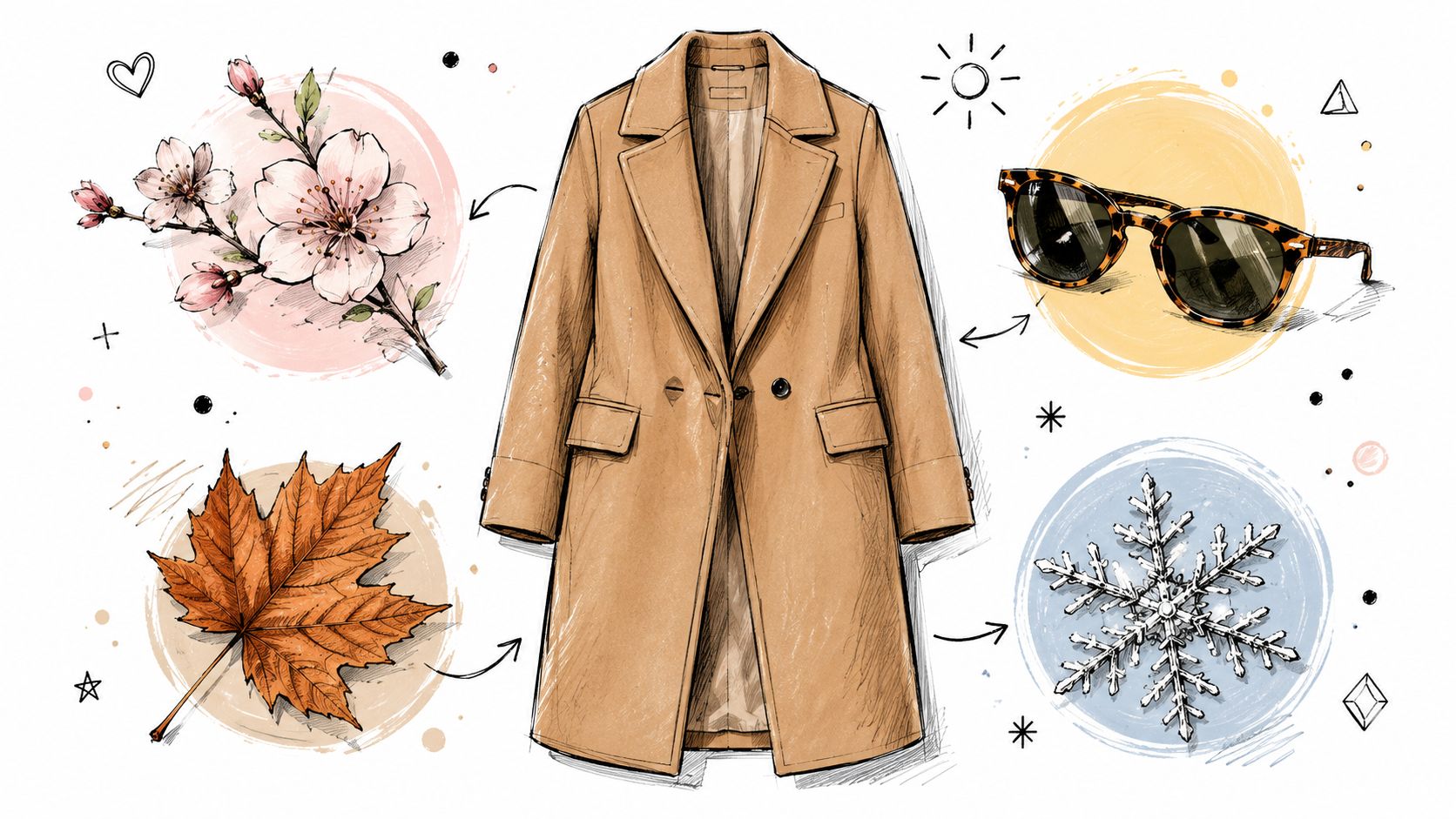
One of the quiet marvels of camel coloured coats is that they don't need dramatic reinvention as the months change. They need only good company. A few shifts in fabric weight, shoes, and accessories can carry the same coat from bright April mornings to dark December afternoons with surprising grace.
Spring and summer lightness
In spring, a camel coat looks especially lovely when it softens something playful. Try it over a floral midi dress with white trainers and a baskety sort of handbag. The coat adds calm to the print, and the print keeps the coat from feeling too serious. That balance is the whole trick.
On cooler summer evenings, use the coat as a finishing layer rather than the star. A white T-shirt, pale denim, simple gold jewellery, and loafers or sandals are often enough. Leave the coat open. Let it move.
If you enjoy building outfits that bridge awkward weather, the guide to transitional dressing offers helpful ideas for layering without losing shape.
Autumn and winter depth
Autumn is where camel begins to hum. Pair it with chocolate knitwear, dark-wash denim, or a black roll neck and ankle boots. The coat catches all those richer tones and gives them light.
Winter asks for texture. Chunky knits, suede boots, brushed scarves, leather gloves. A camel coat handles all of them beautifully because the colour is steady while the surfaces do the talking.
A few reliable combinations:
- For work: Camel coat, cream blouse, smart trousers, loafers
- For weekends: Camel coat, striped knit, jeans, sturdy boots
- For evenings: Camel coat, black dress, sheer tights, heeled boots
- For country walks: Camel coat, cable knit, dark leggings or denim, scarf and waterproof footwear
This styling video offers another visual way to think about proportion and outfit building:
The small details that make it feel fresh
You don't need endless outfits. You need variation in emphasis.
Try changing one element at a time:
- Shoes first: Trainers make the coat modern. Boots make it grounded. Heels make it sleek.
- Then the layer beneath: A hoodie tells a different story from a silk blouse.
- Then the accent colour: Burgundy lipstick, a green scarf, a blue shirt, all behave differently against camel.
Camel rewards repetition, which is rather a lovely trait in a wardrobe piece. Wear it often enough and it starts to gather meaning. It becomes the coat from that November train ride, that first date, that Christmas market, that bright March day when the daffodils finally stopped looking theoretical.
Caring for Your Lifelong Outerwear Companion
A beloved coat needs tenderness, especially in Britain, where weather has a mischievous streak. One day gives you weak sunshine and false confidence. The next gives you rain that seems to arrive sideways. That matters for natural fibres.
In the UK, annual rainfall averages 1,200mm, 82% of wool coat owners face moss or mildew issues, and 71% report discolouration from rain, according to this UK-focused guide on camel coat care. Those numbers explain why generic advice often falls short here. Caring for a coat in London, Leeds, or the Lake District isn't quite the same as caring for one in a drier climate.
What to do after a rainy day
If your coat comes home damp, don't shut it straight into a wardrobe. Let it breathe first. Hang it on a broad, supportive hanger in a room with airflow, away from direct heat. Radiators may seem helpful, but they can roughen fibres and disturb the coat's finish.
If rain has left marks, resist frantic rubbing. Let the surface dry, then brush gently with a fabric brush in the direction of the nap if the fabric has one. Patience is less glamorous than panic, but it works better.
Care note: Air first, clean second, store last. That order saves a lot of sorrow.
A sensible weekly rhythm
A coat that's worn often benefits from tiny acts of maintenance rather than occasional heroic rescue.
- Brush lightly: This lifts dust and keeps the surface looking clear.
- Rest between wears: If possible, don't wear the same coat hard every single day.
- Check cuffs and collar: These collect oils and makeup first.
- Give it breathing room: Crowded wardrobes encourage trapped moisture.
Storage that prevents trouble
When the season shifts, store the coat only when it's fully clean and dry. Use a breathable garment bag rather than plastic. Plastic can trap moisture, and moisture is where mustiness starts plotting.
Cedar can be helpful for freshness, but the main thing is space and dryness. If your home tends toward damp, choose the wardrobe spot that feels most ventilated rather than most hidden.
When to call in a professional
Home care works for surface maintenance. It doesn't replace expert cleaning when a coat has set-in staining, lining odour, or noticeable structural grime around the hem and sleeves.
A good cleaner is part of the coat's long life, not a sign of failure. Think of it the way you'd think of resoling a treasured shoe. Stewardship, not fuss.
A Guide to Thoughtful and Conscious Coat Shopping
The best coat shopping starts before the checkout. It begins with a steadier question. Will this still feel like me in three winters' time?
That question is especially useful with natural fibres. In the alpaca fibre market, clothing represents over 60% of total production, as noted in this alpaca fibre market overview. That makes clothing choices more influential than they may first appear. Choosing one well-made alpaca or wool coat over a series of forgettable stopgaps can be a meaningful shift away from disposable fashion.
Shop for a future relationship
A thoughtful purchase usually has a few signs:
- Provenance matters: You know what the fabric is and, ideally, where it came from.
- The care feels realistic: You're willing to maintain it properly.
- The styling potential is immediate: You can already picture it with clothes you own.
- The timeline is long: You're buying for repeated wear, not a passing mood.
Rental can make sense for highly specific occasions. Pre-order can make sense if you value slower production and less waste. Vintage can be marvellous if you enjoy the hunt. If you're broadening your eye for craftsmanship more generally, this Japanese clothing brands guide is a thoughtful resource for understanding how design heritage and quality can shape buying decisions.
The kindest ending to the search
Luxury isn't endless novelty. It's clarity. A wardrobe with fewer, better things is easier to wear and easier to love.
If you're drawn to that gentler approach, The Lavender Lobster's perspective on conscious clothing offers a fitting final note. It speaks to a way of dressing that values whimsy, longevity, and responsibility in equal measure, which is, in the end, exactly what the best camel coat has been saying all along.
If a camel coat has been hovering at the edge of your wardrobe wishes, choose one with the patience of a long story in mind. Pick the fabric carefully, let the silhouette reflect your real life, and care for it as though it plans to stay. The good ones do.