

On a damp Cornish morning, I found my favourite jumper sagging gently on the washing line, sea fog blurring the window behind it. It looked less like laundry and more like a small woolly sail waiting for the tide.
What Eco Friendly Womens Clothing Really Means
At The Lavender Lobster, eco friendly womens clothing began with a practical question. What would I want to wear on an ordinary Tuesday, when the weather is undecided, the kettle is whistling, and the day may involve both a village shop and a windswept beach?
The answer wasn't a slogan. It was a garment considered from fibre to maker, wardrobe to washing line, and wardrobe to whatever comes next. A responsibly made piece should use a considered material, come from people working in safe and fair conditions, and remain useful long after the first delightful unboxing.
That gives us three helpful layers:
- Lower-impact materials: Natural, organic, recycled, or regenerative fibres can offer a more thoughtful starting point, although no fibre should be judged in isolation.
- Ethical production: Fair wages, safe workshops, traceability, and honest information matter as much as a fabric's origin.
- Longevity: Strong construction, repairable details, and shapes that don't expire with the next trend help a garment earn its place.
The phrase eco friendly womens clothing is a direction rather than a certificate. A linen dress may be breathable and durable, while a well-made recycled blend may perform better for a particular purpose. The useful question is not whether a garment is perfect. It's whether the design makes a better set of choices across its life.
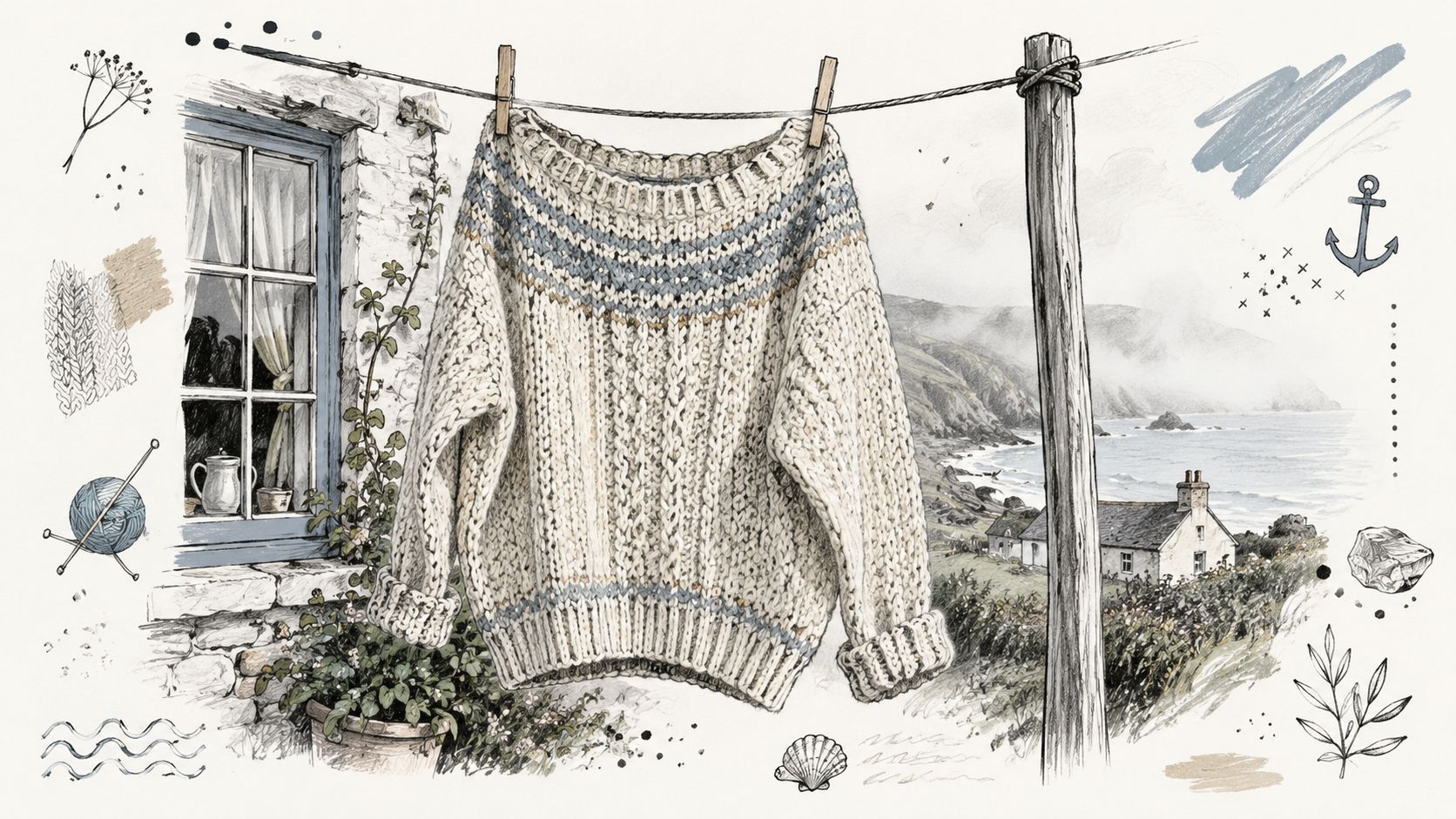
My own working wardrobe became the testing ground. The small-batch British alpaca knitwear at The Lavender Lobster follows a pre-order rhythm, so the making begins with a real request rather than a guess about what might sell. That slower tempo has taught me to value a jumper that layers cleanly, recovers its shape, and feels welcome in more than one season.
The wider home can prompt similar questions. If you're choosing fabrics for a sitting room as well as a wardrobe, this guide to eco-friendly sofa materials offers a useful reminder that durability and material choices matter wherever textiles live.
For a plain-English introduction to the wider subject, you can also explore what sustainable fashion means. You don't need to replace everything at once. Start with one synthetic layer, one tired impulse purchase, or one garment you can repair. Small choices become a wardrobe when you keep making them.
Natural and Organic Fibres Worth Knowing
A fibre becomes meaningful when you understand how it behaves on a real body. Does it breathe during a crowded train journey? Does it soften rather than collapse? Can you wear it with a skirt, trousers, or a coat without looking as though you've dressed for one very specific weather forecast?
British alpaca is the hero in my own wardrobe because it brings a rare combination of lightness, warmth, and quiet character. Alpacas thrive on rough pasture, and their fibre is naturally hollow, helping it feel warm without the heaviness some woollen layers can carry. It's also naturally hypoallergenic, resistant to pilling and odour, and available in a lovely palette of natural shades that can reduce the need for dye.
That doesn't make alpaca a magic fibre. It makes it a useful one. The best material still depends on how it's sourced, spun, knitted, worn, washed, and kept.
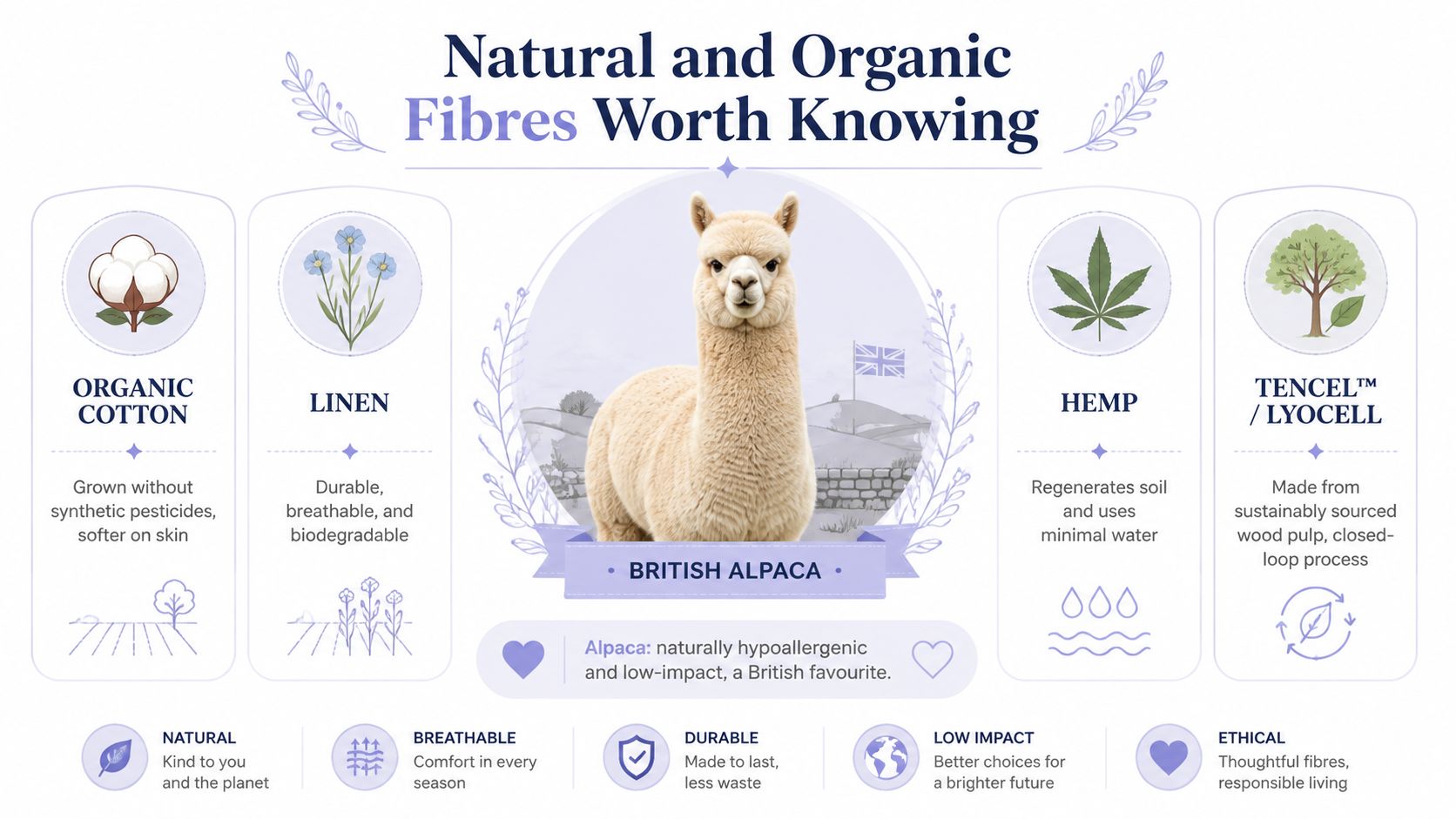
A small fibre field guide
Organic cotton is a familiar companion for shirts, linings, jersey pieces, and light layers. Organic growing methods avoid synthetic pesticides, and the fibre can feel soft and comfortable against the skin. Its environmental picture still depends on farming, processing, transport, and how long the finished garment remains in use.
Linen has the pleasing rumple of a seaside tablecloth and the strength to become more beautiful with wear. It's breathable, durable, and biodegradable, making it especially useful for dresses, shirts, and summer trousers that can move into cooler months with a cardigan.
Hemp is another sturdy option. The plant can regenerate soil and use minimal water, while the resulting cloth often has the character of something made to be lived in rather than displayed behind glass.
TENCEL and lyocell come from sustainably sourced wood pulp and use a closed-loop process. Their smooth drape suits dresses, blouses, and relaxed trousers, particularly when you want softness without a thick knit.
A deeper look at these choices sits within this guide to clothing made from natural fibres.
Why alpaca works beyond winter
In practice, alpaca takes shape beautifully and softens with thoughtful care. A British alpaca jumper can sit over a linen shirt in spring, under a coat in winter, or across the shoulders on a chilly summer evening when the forecast has developed a mischievous streak.
That versatility supports seasonless dressing. Instead of assigning a garment to one calendar page, you give it several jobs. The fibre story matters, but so does the number of times your hands reach for it.
Certifications and Proof Points You Can Trust
A logo can be helpful, but it isn't a full biography. At the till, a certification tells you something specific about a garment or supply chain. It doesn't automatically tell you whether the cut will flatter, the seams will endure, or you'll wear the piece often enough to justify making it.
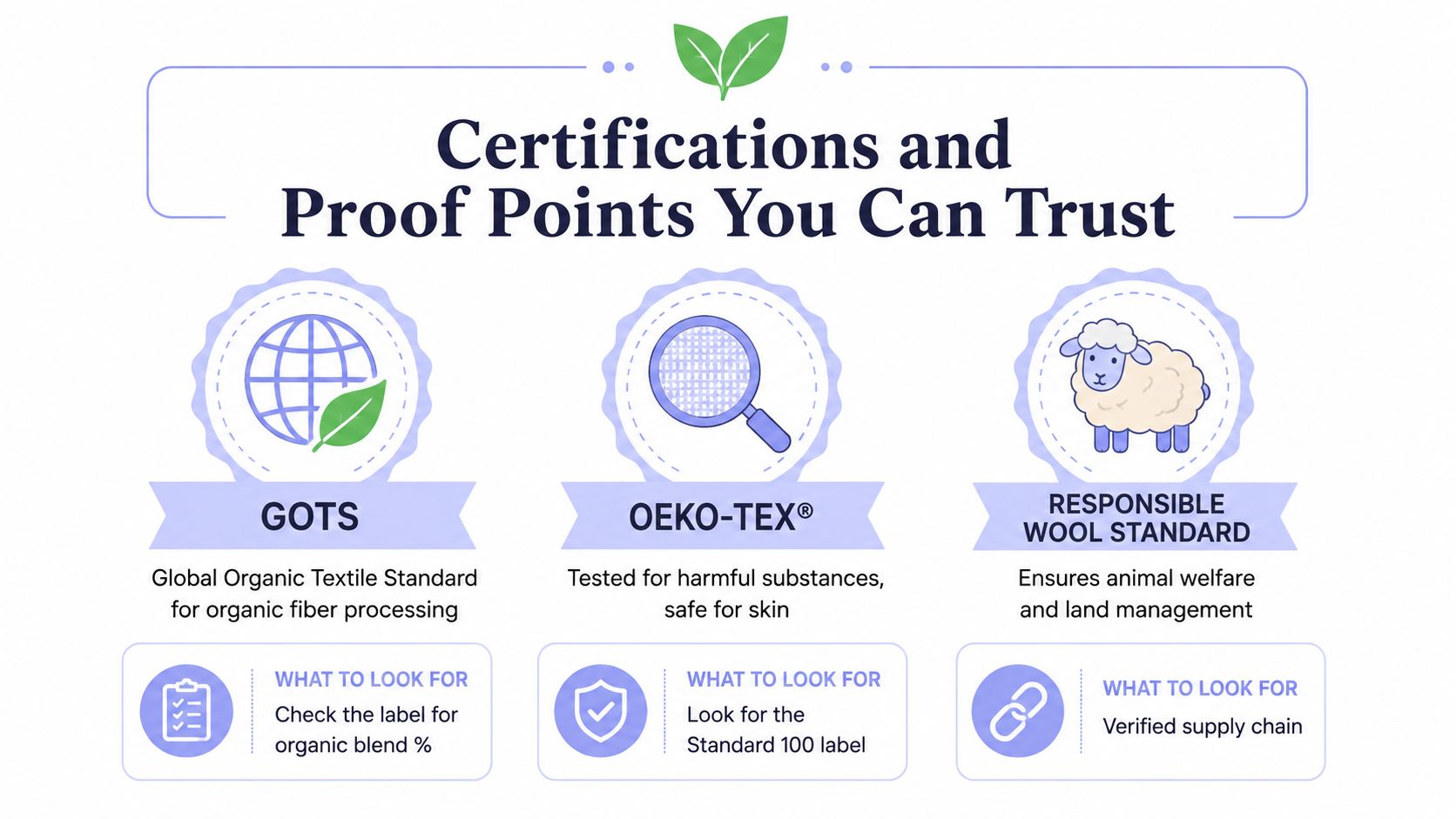
GOTS, the Global Organic Textile Standard, relates to organic fibres and textile processing. Look for the percentage of organic fibre in a blend rather than treating the badge as a blanket statement about every part of the garment.
OEKO-TEX Standard 100 focuses on harmful substances and whether tested textiles are safe for skin. That's valuable for garments worn close to the body, especially sleepwear, underwear, and soft layers, but it isn't the same as certifying organic farming or labour conditions.
The Responsible Wool Standard addresses animal welfare and land management through a verified supply chain. It can help shoppers understand how wool has been sourced, while still leaving other questions about manufacturing, transport, construction, and use.
Read the story behind the label
At a smaller label, transparency may appear in a different form. Ask where the yarn was spun, who knitted or sewed the garment, whether the mill can be named, and how the brand controls quantities. A pre-order model can offer a clear explanation for limiting overproduction, even when a small maker doesn't hold every major certification.
The ethical manufacturing standards guide is useful background when you want to look beyond fabric names. For a concrete example, The Lobster Bisque Dress is described as 100% organic linen with a soft organic cotton lining, with breathability and comfort central to its design.
A short video can make certification language easier to place in context:
At the rail, ask yourself three calm questions:
- What exactly has been verified? Fibre content, harmful substances, animal welfare, or labour conditions?
- What remains unclear? Look for information about mills, workshops, care, and repairs.
- Will I wear it repeatedly? A well-labelled garment still creates waste if it lives untouched in the wardrobe.
Practical rule: Treat a certification as one useful piece of evidence, not permission to stop asking questions.
Shopping Mindfully With Pre-Orders, Rentals and Seasonless Pieces
At The Lavender Lobster, a British alpaca knit begins before it reaches a wardrobe. Someone chooses the piece, places the order, and allows the maker time to produce it. That pause changes the question from “Do I like this?” to “Will I wear it often enough to make the waiting worthwhile?”
Begin with the pre-order
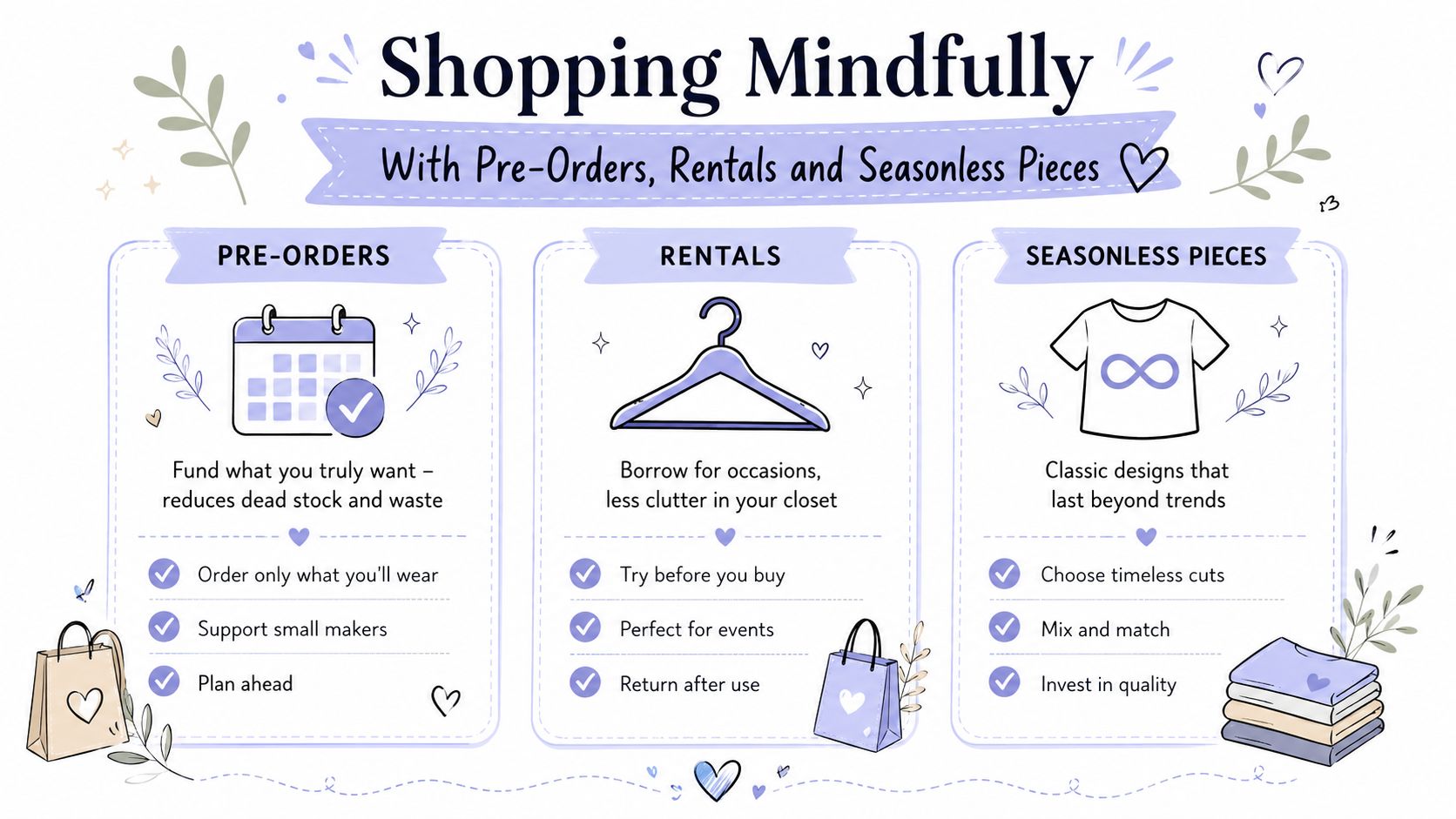
A pre-order gives a maker a clearer signal about demand and can reduce the temptation to produce for an uncertain rack of stock. For the wearer, it creates a useful pause. Before ordering, look at what you already own and name three outfits. Consider whether the piece can join more than one season, perhaps layered under a coat in autumn or worn over a dress on a cool spring morning.
Patience becomes part of the product story. A garment that arrives after some thought is less likely to be an impulse purchase, and more likely to become a familiar companion.
Rent when the occasion is the point
A rental suits a wedding guest outfit, a dramatic statement piece, or a shape you want to try before buying. The Independent's reporting on clothing rental points to delivery, packaging, transport, and dry cleaning as possible environmental costs. Its value depends on how often the garment is used and how the service handles cleaning and logistics.
The strongest case is replacement. If renting prevents a one-occasion purchase, it can keep an unworn dress from settling permanently at the back of a wardrobe. If several deliveries and returns are involved, borrowing locally or styling something already owned may be the simpler choice.
Build for the long middle
The quiet centre of a working wardrobe is made from pieces that cross seasons. Choose colours that cooperate, fabrics that layer, and silhouettes that can move from an autumn lane to a breezy spring seafront. A linen dress beneath a knit, a cardigan over a shirt, or a soft jumper under a waterproof coat can earn repeated wear without looking tied to one particular moment.
Accessories deserve the same pause. The Sailor Hats are made to order in the UK, with nine variants available across the collection. A hat can bring a little seaside character to an everyday outfit while giving you a clear reason to ask whether it will be worn beyond one holiday photograph.
Before adding anything, ask:
- Cost per wear: Will I reach for it repeatedly?
- Layering potential: Can it work with what I already own?
- Repair likelihood: Would I mend it rather than discard it?
- Wardrobe friendship: Does it complement existing favourites?
Care, Repair and End-of-Life Planning
A British alpaca jumper can stay beautiful for years when its routine is simple. Wash it only when needed, by hand in cool water, then press out moisture without twisting. Dry it flat, so the shape does not wander off like a determined little crab.
Air the knitwear between wears. Fold it for storage rather than leaving it on a hanger, and keep natural fibres clean and dry. Cedar may help deter moths, while a gentle de-pilling comb can remove small bobbles without turning them into a wardrobe emergency. Follow the care instructions supplied with each piece.
Let repairs become part of the design
A worn elbow is a repair request, not a retirement notice. Darning, patching, and reinforcing high-wear areas can keep a favourite jumper useful while giving it a detail no factory could repeat. Contrasting thread might form a tiny constellation. A matching patch can make the garment feel even more personal.
A repaired sleeve carries a history. That's often more valuable than a perfect sleeve with no story.
Plan the ending before buying. If a piece no longer earns its place, resell it through a trusted platform, give it to someone who will wear it, or use an appropriate textile bank. Check local UK recycling routes carefully. Collection schemes vary, and many garments cannot easily become new clothing after entering textile waste.
The UK government's textiles resource efficiency report describes a severe circularity bottleneck. Only about 36% of used textiles are separately collected, only 3% of separately collected material is recycled, and less than 1% of clothing is recycled back into new clothing. Those figures make mono-material construction, repairability, and long use practical design priorities rather than abstract ideals.
Evidence reported through its Environmental Audit Committee evidence shows that the UK loses about £140 million of clothing to landfill each year. Keeping a well-loved garment in service is a quiet, radical habit. Sometimes sustainability looks less like a grand gesture and more like a careful stitch beside the sea.
Styling a Whimsical Wardrobe That Lasts
Whimsy and responsibility can share a hanger quite happily. The trick is to let personality come from colour, texture, and one memorable detail rather than building every outfit around a brand-new theme.
Take a navy British alpaca jumper. Beneath a slip dress, it becomes a soft answer to an evening chill. Over a linen shirt, it looks ready for a country house lunch, even if the country house is your kitchen table. Beneath wide-leg trousers, it creates a clean silhouette with enough texture to keep the outfit from becoming overly serious.
Give every look one leading character
A wardrobe lasts better when its pieces can play different roles. Choose one hero element, then let the rest support it.
- A patterned accessory can bring the seaside without requiring a full nautical costume.
- A soft neutral palette lets stronger colours appear repeatedly rather than becoming trapped in one outfit.
- The same silhouette can work in different weights, such as a linen dress in warmer weather and a knit layered over it when the air turns crisp.
- Texture can replace novelty. Alpaca's softness, linen's rumple, and cotton's familiar ease create interest without chasing every new trend.
A hand-finished Sailor Hat can anchor a simple outfit with a coastal flourish. Pair it with a plain shirt and trousers, or let it echo a stripe already present in a dress. The result feels considered because the accessory has a job, not because the entire wardrobe has shouted “ahoy” at once.
Dress for touch as well as appearance
A garment chosen for drape, warmth, and comfort is more likely to become part of your routine. That matters more than whether it photographs well on the first outing. The piece you reach for while answering emails, walking to the station, or meeting a friend will usually outlive the dramatic purchase that only suits one carefully arranged moment.
Choose clothes that make ordinary days feel a little more enchanted.
When you repeat a silhouette in several materials, you learn what works for you. That knowledge makes future shopping calmer. You notice the neckline, sleeve, and hem you wear rather than the trend hovering above the shop window like a very fashionable cloud.
Common Misconceptions About Sustainable Fashion
Rental is always greener than owning. A rental can prevent an occasional purchase, yet delivery, packaging, cleaning, transport, and frequency of wear all shape its impact. A dress hired for one evening may travel through several stages before reaching your door and again on its return. A well-made dress worn repeatedly can be the calmer choice for a working wardrobe.
Natural fibres are automatically ethical. British alpaca knitwear at The Lavender Lobster illustrates the fuller question. Natural fibre still involves farming, land, water, processing, dyeing, transport, animal welfare, and worker conditions. It becomes a stronger choice when it suits the garment, lasts through regular wear, and comes with honest information about how it was made.
A higher price guarantees better ethics. A price may reflect careful labour, better materials, smaller production, or stronger construction, but the ticket alone proves none of these. A 2025 FashionUnited survey of UK consumers found that 56% won't compromise on quality, 51% won't compromise on safety, and 49% won't compromise on reliability when considering more sustainable products. Those expectations are practical: shoppers need evidence that a garment will perform, not a higher figure on its label.
One capsule wardrobe solves everything. Fewer clothes help only when they suit your days and stay in rotation. A capsule filled with uncomfortable cuts, unsuitable colours, or fragile fabrics can still encourage replacement shopping. Even a Sailor Hat should earn its place by working with pieces already in the wardrobe, rather than becoming another costume awaiting its one sunny outing.
The steadier approach is to judge the entire habit. Buy less often, choose materials thoughtfully, care for what you own, repair what you can, and give unwanted garments a useful next chapter.
A Gentle Starting Point for Your Slow Wardrobe
A future wardrobe doesn't need a grand entrance. It can arrive with a cup of coffee, a repaired cuff, and the decision not to buy the first thing that makes your heart do a small cartwheel.
Start with a wardrobe audit. Pull out the pieces you wear constantly, the ones you avoid, and the ones waiting for an alteration. Notice the patterns. Perhaps you need a breathable dress, a warm layer, or trousers that work with the shoes you already own. Specific gaps are easier to fill responsibly than a vague desire for “something new”.
Five gentle commitments
- Choose one heirloom piece. Look for a fibre, construction, and shape you can imagine wearing across seasons. British alpaca knitwear can be a natural starting point if you want warmth without a heavy layer.
- Try before you buy for one occasion. If you need a dress for a single event, consider rental, then assess the service's cleaning and delivery arrangements rather than assuming the label settles the environmental question.
- Create a repair ritual. Keep a needle, suitable thread, and a small patch in one place. Mend a favourite jumper while listening to music, and let the repair become part of its history.
- Plan the wardrobe's exits. Decide whether unwanted pieces will be resold, gifted, swapped, or taken to a suitable textile collection point. Don't leave the final chapter to a rushed clear-out.
- Use pre-orders with intention. Order only pieces you've already placed into several outfits in your mind. Patience is easier when you know exactly why you're waiting.
The UK's textile challenge gives these small actions real weight. Recent reporting based on WRAP research said 49% of used textiles are thrown into general waste, with people putting 35 items into general waste each year, while the UK purchased 1.42 million tonnes of textile products and discarded 1.45 million tonnes in 2022 as reported by Sustainability Beat.
A slow wardrobe isn't a test you pass. It's a relationship you tend, one jumper, dress, repair, and well-loved hat at a time.
Open your wardrobe this week and choose one piece to care for, one gap to define, and one future purchase to pause before making. Explore The Lavender Lobster's pre-order and natural-fibre collection, then choose the garment you can see yourself wearing through ordinary mornings, seaside weather, and many seasons to come.