

You know the morning. The forecast promises a cool start, the office will probably be warm, and your wardrobe offers either a heavy jumper or something that feels too flimsy for the walk to the station. A light pink sweater cardigan steps neatly into that small but persistent gap, adding warmth without visual weight and colour without demanding an entirely new outfit.
Pink can be practical when the shape is considered, the fibre suits the weather, and the care routine protects the knit. The British market has a deep relationship with cardigans, jumpers, pullovers, jerseys and waistcoats, all part of a substantial knitted and crocheted clothing category estimated at £18.5bn in 2026, with annual revenue growth of 4.4% according to UK knitwear market information. That commercial depth reflects something many wardrobes already know: a good cardigan earns its keep.
This guide is for choosing a shade that behaves beautifully in soft British light, finding a refined silhouette, weighing natural fibres, styling the cardigan for ordinary days, and caring for pale knitwear without turning laundry day into a small domestic opera.
Introduction Why a Light Pink Sweater Cardigan Deserves a Place in Your Wardrobe
On a grey Tuesday morning, a light pink cardigan can make a practical outfit feel considered. It offers a softer alternative to navy or charcoal while still working beneath a coat, beside denim, or over a work shirt. Its usefulness comes from the balance between colour, fibre and shape.
British knitwear has a long reputation for careful making and adaptable design. Country & Town House's British knitwear coverage shows how that tradition now spans heritage pieces, high-street simplicity and polished everyday dressing. A cardigan can belong to any of those worlds, depending on its texture, buttons and proportions.
Light pink works like a gentle punctuation mark in an outfit. Over white, it looks clean and fresh. With oatmeal trousers, it becomes softly romantic. Navy, charcoal and faded denim give the colour enough contrast to appear refined rather than washed out.
Soft British daylight can also alter the shade. Blue-based pinks may look crisp beneath cloud, while peachier versions can feel warmer indoors. Natural fibres bring their own decisions: wool and alpaca offer warmth and texture for changeable weather, while finer cotton or blended yarns may feel easier during mild spells. British alpaca can be especially appealing when you want a soft, insulating knit, though pale natural fibres reward careful handling because marks show quickly.
The silhouette decides whether the result feels elegant or twee. A clean placket, evenly placed buttons and restrained texture keep a sugary shade grown-up. A neat crew neck gives a bookish polish; a gently shaped V-neck creates a longer visual line. Enough ease for a shirt underneath is useful, but excess fabric can make the cardigan lose its definition.
A useful test: if you can see yourself wearing it on a grey Tuesday, not only during a sunny weekend, it has earned a place in your wardrobe.
Choose a piece that delights you at first glance, then continues to work by the kettle, the coat rack and the front door.
How to Choose the Right Light Pink Sweater Cardigan for Your Style and Shape
Start with the undertone, because pink changes character under different light. In cloudy UK daylight, blue-based petal pinks can look fresh, while very cool pinks may appear slightly lilac. Peachier pinks bring warmth, but under yellow indoor bulbs they can become more sugary than intended. Compare the cardigan with a white top and a muted neutral, rather than judging it against a bright shop display.
Read the silhouette before the colour
A fitted-but-not-tight cardigan usually gives the most useful balance. It follows the body without clinging, leaves room for a fine base layer, and keeps the pink looking intentional rather than costume-like. If you prefer a longer line, look for a cardigan that falls past the waistband and finishes around the upper hip. If you like a shorter proportion, pair a cropped hem with higher-rise trousers or a skirt so the outfit still has visual balance.
Neckline matters too. A clean crew neck feels classic and frames the face closely. A V-neck can lighten the upper body and work well over a collared shirt. A shawl or oversized collar adds softness, but in pale pink it can quickly become overly sweet unless the rest of the garment has restrained details.
Use your hands and your eyes
In person, turn the cardigan inside out and inspect the knitting. The surface should look even, without obvious pulls, loose loops or abrupt changes in tension. Check the button band while the cardigan lies flat. The placket should sit straight, the neckline should look symmetrical, and the button spacing should feel deliberate. Pale colours make small construction irregularities easier to notice.
Then test the fabric's behaviour. Let it hang over your hand. A good knit should show whether it has a fluid drape or a firmer structure, and neither is automatically better. Softness is useful, but a fabric that feels wonderfully fuzzy in the shop may need more careful friction management later.
Natural fibres bring different personalities. Wool offers warmth and resilience, cotton can feel breathable and straightforward, and alpaca brings a soft, airy handle. The British Alpaca Society records 22 officially recognised alpaca colours and patterns, and says the fibre is harvested once a year at shearing in its yarn and fibre guidance. The UK also has around 30,000 alpacas on farms and small holdings, according to The Natural Fibre Company's alpaca information, giving alpaca knitwear a distinctly local fibre story.
For a deeper look at that material, explore alpaca knitwear and its fibre qualities.
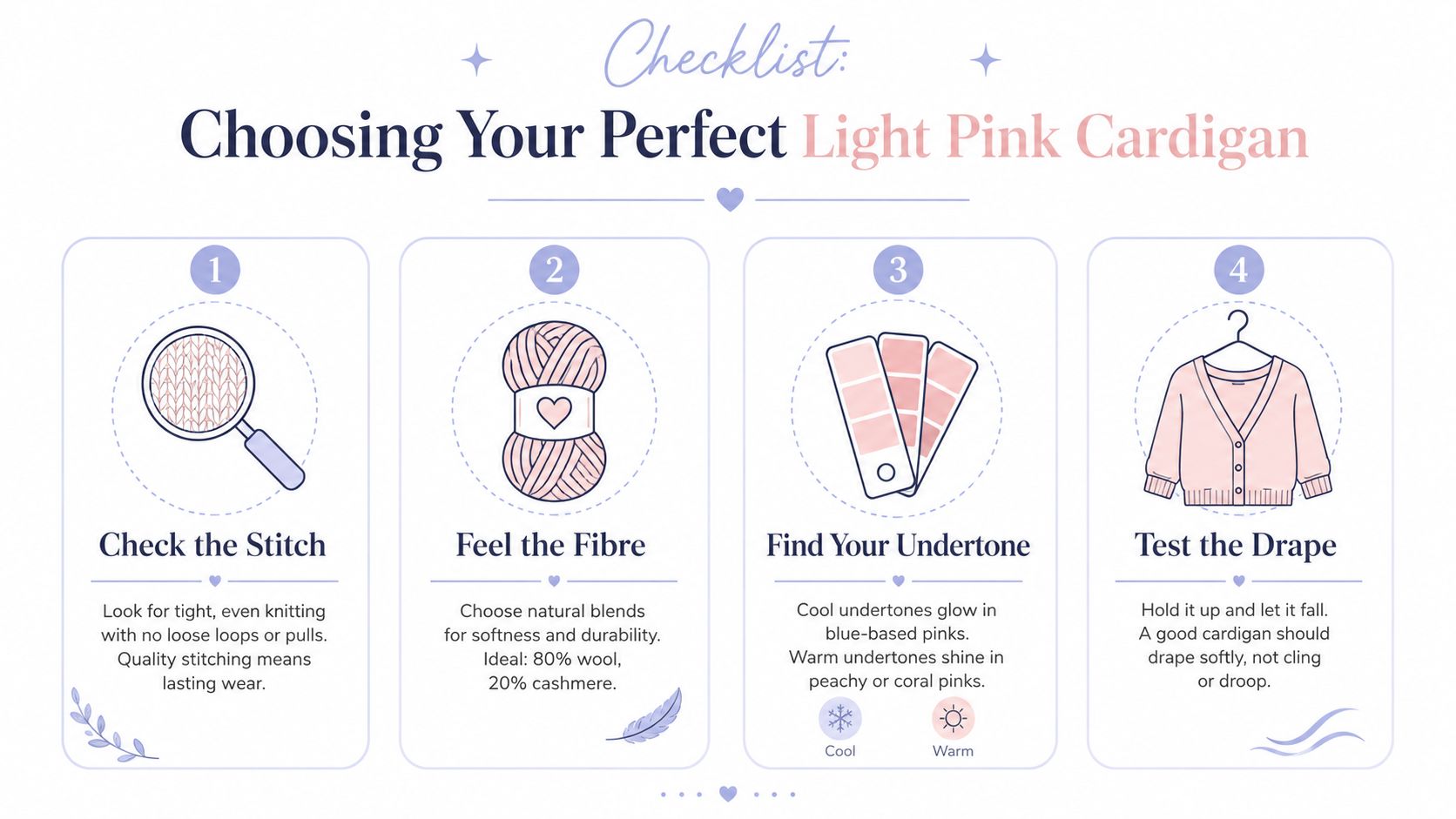
Online, check the fibre composition, garment measurements, closure photographs and care label before ordering. If the product page only describes the cardigan as “soft” or “premium” without explaining construction or fibre content, treat that as missing information rather than reassurance.
Styling Your Light Pink Sweater Cardigan for Everyday Occasions
For work, use the cardigan as a soft replacement for a jacket. Button it over a white or pale blue shirt, then add well-fitted navy trousers or a charcoal midi skirt. The crisp shirt gives the pink a little architecture, while the darker lower half prevents the outfit from becoming too confectionery.
For a relaxed weekend, leave the cardigan open over a simple vest or fine T-shirt and add straight-leg denim. Choose trainers or ankle boots, then introduce one small playful detail, perhaps a patterned scarf, enamel brooch or berry-coloured bag. The contrast between casual denim and a delicate knit keeps the result friendly rather than overly polished.
Adjust proportion, not personality
An abbreviated cardigan looks balanced with a fuller skirt or high-rise trousers. A longer, slouchier style works well with a narrow trouser, leggings or a simple column dress. Avoid matching volume everywhere unless you deliberately want a cocooned silhouette. Pink is already visually gentle, so a clear proportion helps the outfit look composed.
For an evening meal, wear the cardigan buttoned as a top with a satin or softly textured skirt. Keep jewellery simple and let the knit provide the tactile interest. In coastal or countryside settings, pair it with ecru denim, a striped shirt and weather-friendly boots. The colour will echo spring blossom without pretending the British sky has signed a contract to remain blue.
Styling principle: keep the pink soft, then add definition through texture, proportion or one darker accent.
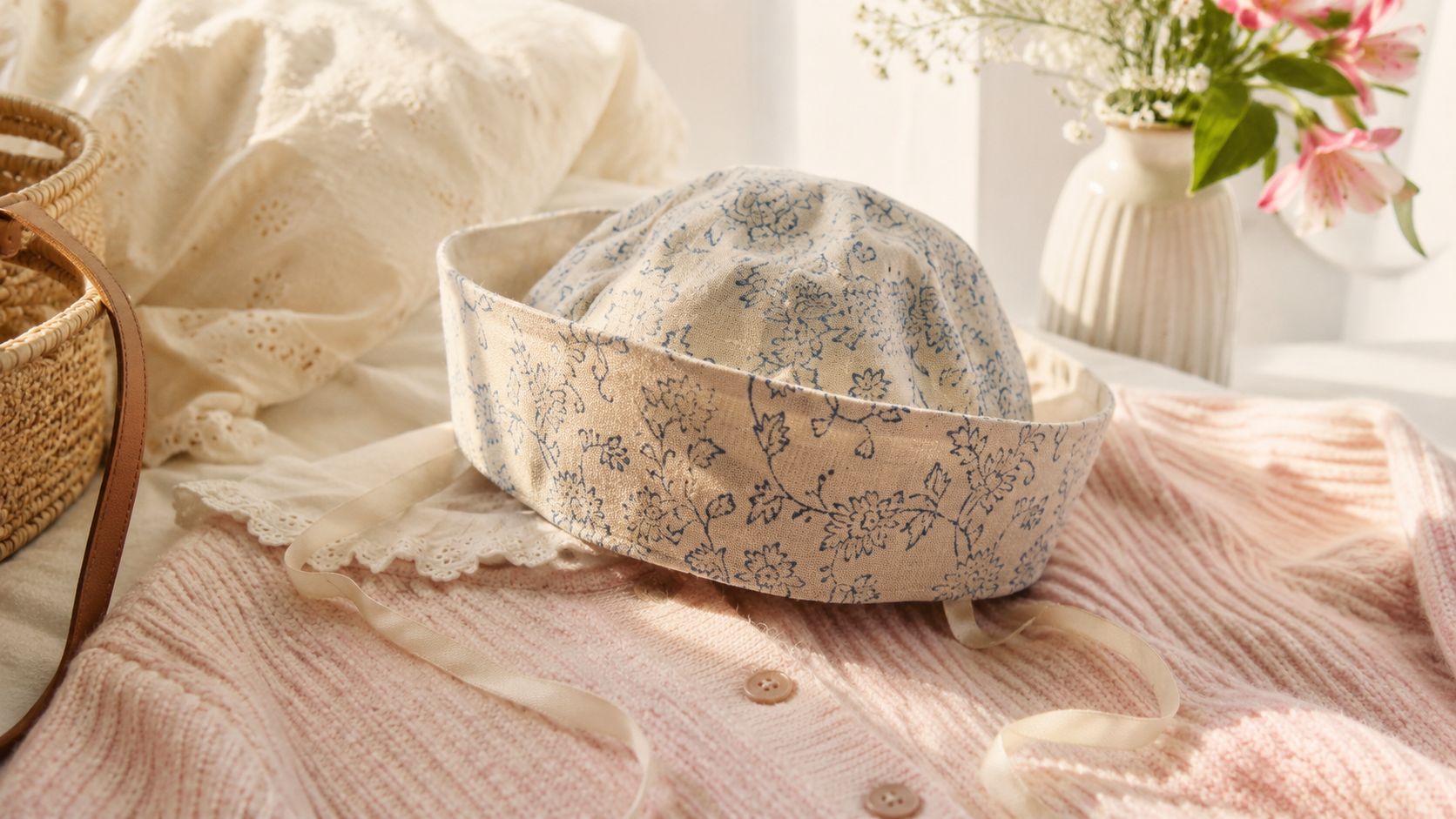
For more outfit combinations, these cardigan outfit ideas offer a useful starting point. A matching accessory can also make a familiar cardigan feel newly intentional. The Sailor Hats are made to order from offcuts of larger garments, with fabrics available in Garden Society, Ledger and Regatta Stripe prints, and each hat is individually made by seamstresses in the UK. Custom print requests are welcomed subject to fabric availability.
Seasonal Styling Secrets From Spring Breezes to Winter Layers
A light pink cardigan can work through the British year when its fibre and layering role change with the weather. In soft spring light, airy pointelle and cotton-linen blends let air circulate while taking the chill from a morning walk. Cotton, linen and cashmere also offer lighter alternatives to dense winter knits, as noted in UK knitwear market commentary. Check the undertone before buying: a blue-leaning pink looks crisp with white and grey, while a warmer blush sits more naturally beside cream, tobacco and olive.
Spring and summer
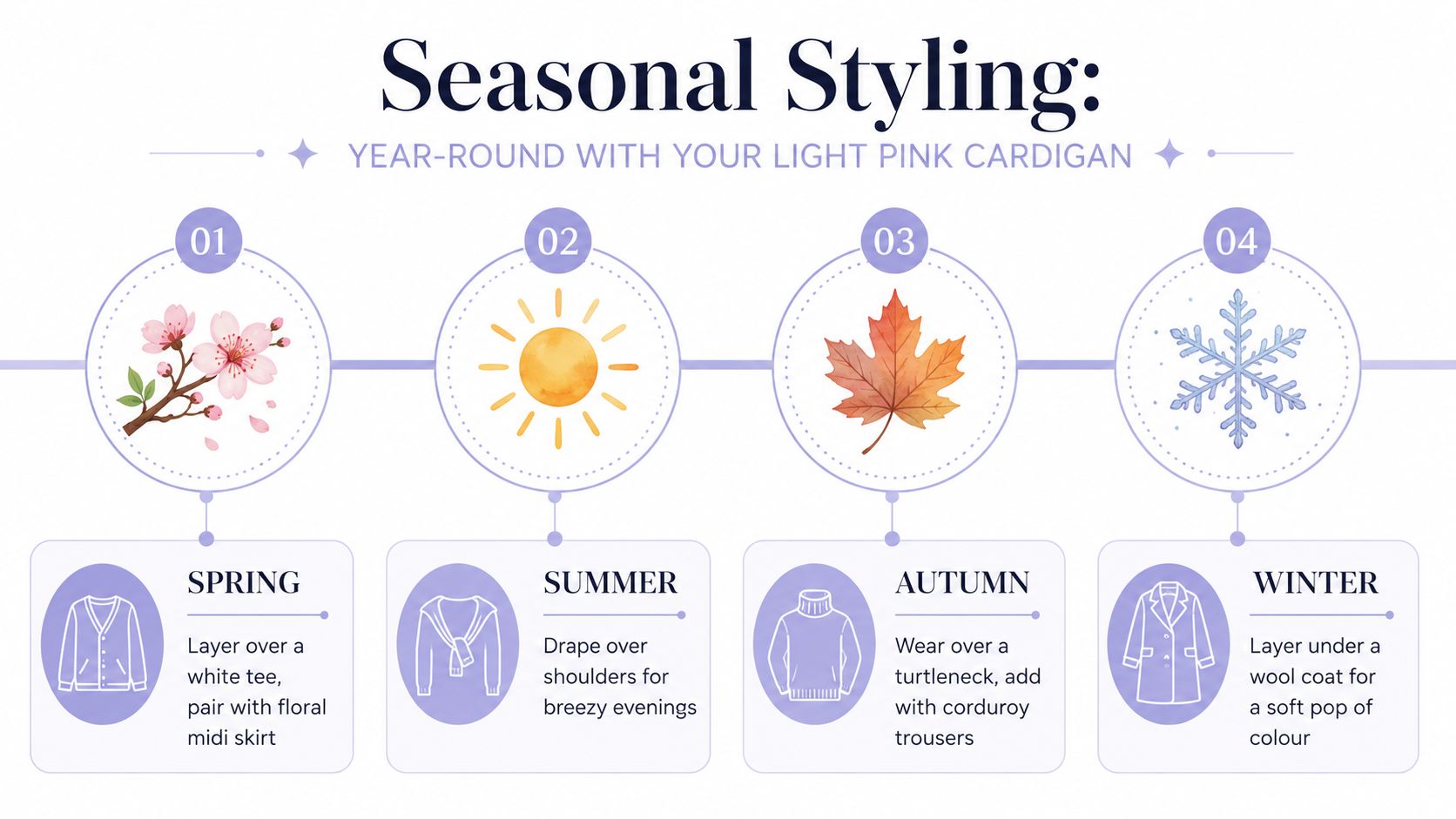
Start with a white T-shirt and floral midi skirt. The plain base keeps the pink clean, while the print stops it feeling twee. On a warmer afternoon, wear the cardigan over your shoulders or fold it into a tote for the cooler journey home.
A breathable dress gives the same light effect with fewer layers. The Lobster Bisque Dress uses 100% organic linen with a soft organic cotton lining, allowing its natural texture to sit comfortably under a fine cardigan. The pale fabric leaves space for the pink to act as an accent rather than compete with the outfit.
Autumn and winter
Autumn suits stronger texture. Place the cardigan over a fine turtleneck with corduroy trousers in tobacco, olive or deep brown. Corduroy's ribbed or napped surface gives pale knitwear visual weight, so the outfit feels considered without defaulting to black.
In winter, let the cardigan sit beneath a wool coat, with only the neckline, cuffs or front opening showing. Those small pink glimpses soften navy, camel and charcoal. Alpaca can suit damp, changeable conditions. The Institute of Making describes it as having no lanolin, being hypoallergenic, and warmer than sheep's wool even when wet in its alpaca material guide. Confirm the care instructions for the exact blend, since fibre behaviour depends on the whole garment.
Caring for Your Knitwear and Keeping Light Pink Beautiful
Pale knitwear shows problems quickly. A slightly wavy edge, a cluster of pills or a faint mark is more visible against light pink than against charcoal, so prevention matters more than heroic rescue. Start by washing only when the cardigan needs it. Air it flat between wears, and deal with small spills before they settle into the fibres.
Before a new wool cardigan goes into regular rotation, test a fabric swatch if one is available. UK and EU apparel testing manuals reference dimensional stability to washing using BS EN ISO 6330:2012, while fabric suppliers recommend measuring shrinkage on a cut sample before cutting a full garment, as outlined in the UK and EU apparel testing manual. Measure the swatch before washing, wash it using the intended routine, air-dry it, and compare the dimensions afterwards.
Protect the shape
Hot machine washing and heat drying can cause roughly 10 to 25% length shrinkage and 5 to 10% width shrinkage in wool items, according to the wool-care benchmark in that manual. That scale of change can affect sleeve length, drape, neckline symmetry, placket alignment and button spacing. A gentle cycle alone isn't a guarantee, because heat and agitation remain major risks.
Follow the care label, use a wool-safe product where appropriate, and avoid fabric softener. Lay the cardigan flat to dry, reshaping the shoulders, cuffs and button band while it's damp. Store it folded rather than hanging, since a wet or heavy knit can stretch under its own weight.
Manage friction and pills
Pilling happens when loose surface fibres migrate, tangle and form small balls under rubbing. Underarms, side seams, cuffs and places that meet a coat or handbag tend to receive the most friction. Turn the cardigan inside out for washing, reduce unnecessary laundering, and choose smoother outer layers when you can.
For a pill-covered patch, lay the garment flat and use a wool comb or fabric shaver gently. Don't pluck pills by hand, because pulling can thin the knitted surface. UK wool-care guidance also recommends turning garments inside out, washing less often and using gentle wool-safe care, as explained in this practical guide to pilling.
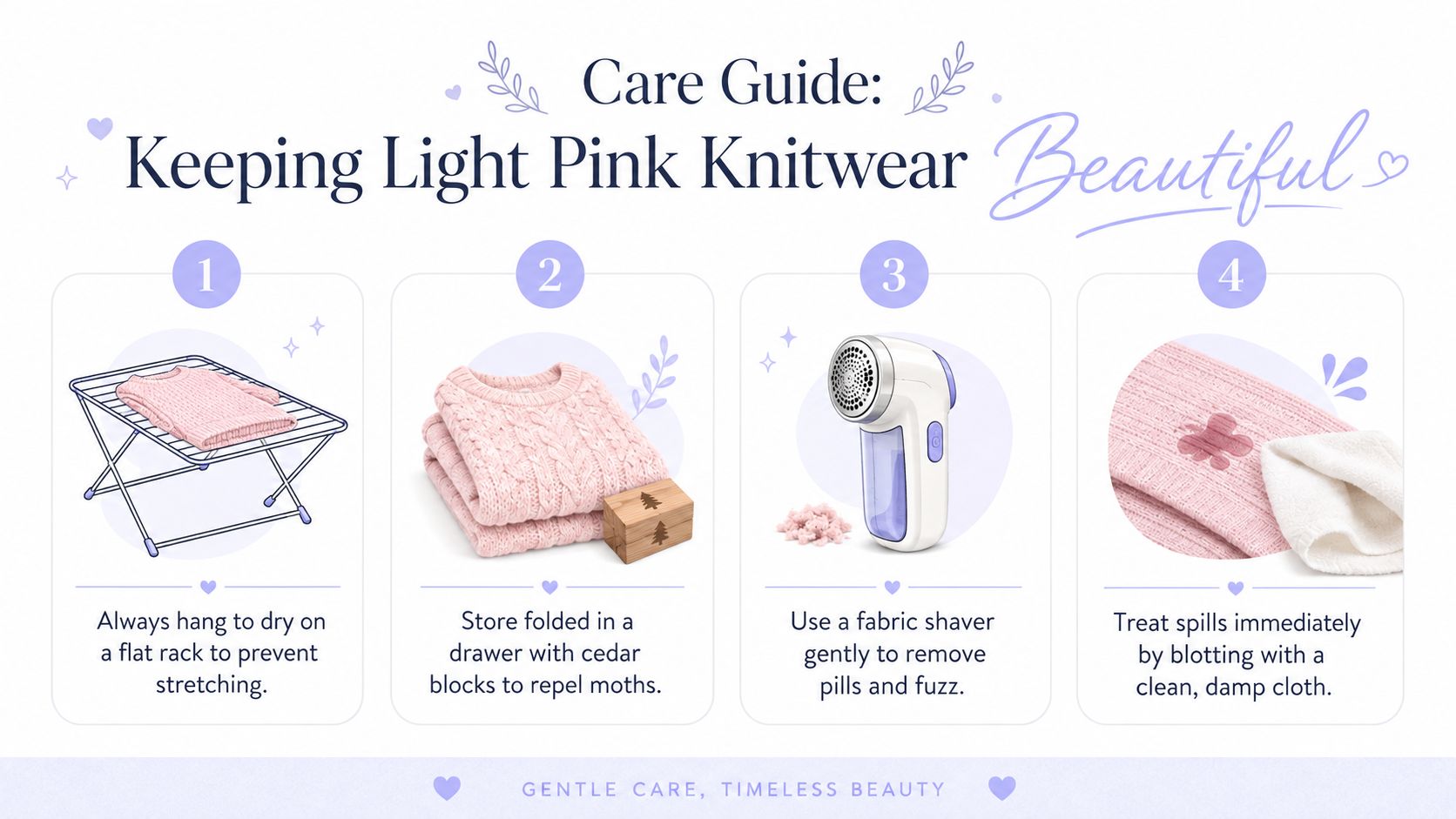
For a fuller fibre-first routine, keep this knitwear care guide with your laundry notes. Think of it as a small seasonal ritual, not a punishment issued by the cardigan council.
Building a Conscious and Whimsical Wardrobe That Lasts
A thoughtful light pink sweater cardigan should answer more than “Is this colour fashionable?” Start with the fibre against your skin, the shape beside clothes you already own, and the seasons in which you will wear it. A lovely shade has little value if the cardigan spends most of its life sulking in a drawer.
Practical value matters when trends shift. A softer, relaxed silhouette, a neutral pink and a natural fibre can give the cardigan staying power, while an unbranded design may keep attention on yarn, construction and fit. Recent coverage of the cardigan trend reflects that broader interest in wearable knitwear. Refined details, such as a neat button band or a shaped shoulder, keep pale pink from becoming twee.
Fibre choice should match your weather and your habits. Wool and British alpaca can bring warmth and softness through changeable days, while lighter blends may feel easier in a mild spring. Natural fibres reward careful handling, and their care labels deserve a proper reading before purchase. Choose a cardigan that can be repaired, refreshed and layered, rather than one that only works for a single outfit.
A smaller wardrobe still needs delight. Pre-orders or rentals can help when you are uncertain about a particular style. The aim is a collection where colour, comfort and repeat wear support one another.
Before buying, place the cardigan beside three outfits you already wear. Check its undertone in your own daylight, because soft shop lighting can make a cool pink appear warmer, or hide a shade that leaves your complexion looking tired. Inspect the seams, buttons and knitting, read the fibre composition, then give the piece a regular place in your weekly rotation.
The Lavender Lobster's knitwear and natural-fibre pieces offer options for making that choice around fit, fibre and care. Choose a cardigan you can live with, look after and wear through many gentle-weather mornings.